
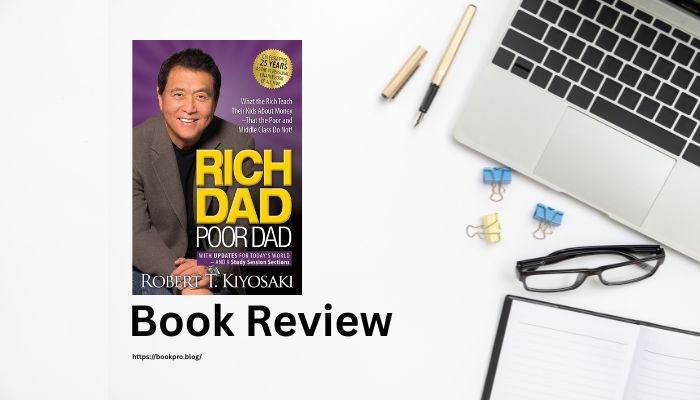
When it comes to personal finance books, few titles have had as much impact as Rich Dad Poor Dad by Robert T. Kiyosaki. Since its release, the book has inspired millions of readers to rethink the way they earn, save, invest, and build wealth. Rather than focusing on traditional financial advice, Kiyosaki challenges common beliefs about money, employment, and financial security.
Unlike many finance books that concentrate on budgeting or investing techniques, Rich Dad Poor Dad emphasizes financial education and mindset. Through simple stories and practical lessons, it encourages readers to think differently about assets, liabilities, entrepreneurship, and long-term wealth creation.
If you’re wondering whether this bestselling classic is still worth reading today, this review will help you decide.
Book Overview
- Book Title: Rich Dad Poor Dad
- Author: Robert T. Kiyosaki
- Genre: Personal Finance, Investing, Self-Help
- Published: 1997
- Pages: Approximately 336
- Reading Time: Around 7–8 hours
- Best For: Beginners interested in personal finance, investing, entrepreneurship, and financial independence.
About the Author
Robert T. Kiyosaki is an entrepreneur, investor, educator, and bestselling author known for promoting financial literacy. Through his books, seminars, and educational programs, he encourages people to understand how money works and develop the skills needed to achieve financial independence.
His Rich Dad series has been translated into dozens of languages and continues to influence readers around the world.
What Is the Book About?
Rich Dad Poor Dad compares the financial philosophies of two father figures in the author’s life. One represents the traditional path of education, employment, and job security, while the other emphasizes entrepreneurship, investing, and building assets.
Rather than teaching complicated investment strategies, the book focuses on changing the way readers think about money. It explains the importance of financial education, creating multiple income streams, understanding cash flow, and making money work for you instead of working only for money.
The book uses simple examples and relatable stories to explain financial concepts that many people never learn in school.
Key Lessons from the Book
One of the reasons Rich Dad Poor Dad remains popular is because of its timeless financial principles. Some of the book’s most valuable lessons include:
- Financial education is one of the greatest investments you can make.
- Assets generate income, while liabilities take money out of your pocket.
- Building wealth requires long-term thinking and disciplined financial habits.
- Entrepreneurship and investing can create additional income opportunities.
- Working solely for a paycheck may limit financial freedom.
- Learning how money works is more important than simply earning more.
These lessons encourage readers to think differently about their financial future and develop better money habits.
Writing Style and Readability
Robert T. Kiyosaki writes in a simple, conversational style that makes financial concepts easy to understand. The book avoids technical jargon and instead uses storytelling to explain important lessons.
Its short chapters and practical examples make it suitable for readers with little or no financial background. While experienced investors may already know some of the concepts, beginners will likely find the book highly accessible.
The storytelling approach also keeps the book engaging from beginning to end.
What Makes This Book Stand Out?
Unlike traditional personal finance books, Rich Dad Poor Dad focuses on mindset before strategy. Instead of teaching readers how to select investments, it encourages them to develop the habits and knowledge needed to build wealth over time.
Its emphasis on financial education has inspired countless readers to explore investing, entrepreneurship, and passive income opportunities. Although some ideas have been debated over the years, the book’s core message about financial literacy remains highly relevant.
Its influence on modern personal finance literature is one of the reasons it continues to be recommended worldwide.
Pros and Cons
Pros
- Easy to understand for beginners.
- Encourages financial literacy and independent thinking.
- Inspiring stories that make financial concepts memorable.
- Motivates readers to build assets and invest in themselves.
- Practical lessons that remain relevant today.
- Excellent introduction to wealth-building principles.
Cons
- Some examples are simplified.
- Readers seeking detailed investment strategies may need additional resources.
- Certain opinions presented in the book have been debated by financial experts.
Who Should Read This Book?
This book is ideal for:
- Beginners learning about personal finance.
- Young professionals starting their financial journey.
- Entrepreneurs and aspiring business owners.
- Students interested in financial literacy.
- Readers looking to build wealth over the long term.
- Anyone wanting to improve their money mindset.
Experienced investors may find some concepts familiar, but the book still serves as a valuable reminder of fundamental financial principles.
Final Verdict
Rich Dad Poor Dad remains one of the most influential personal finance books ever written. While it doesn’t provide a detailed investment manual, it successfully encourages readers to rethink their relationship with money and understand the importance of financial education.
Its greatest strength is changing the way readers think about wealth, assets, and financial independence. The lessons are presented in an engaging, easy-to-understand format that makes the book especially valuable for beginners.
If you’re looking for a book that inspires smarter financial decisions and introduces the foundations of wealth building, Rich Dad Poor Dad is well worth reading.
Overall Rating: 4.8/5 ⭐

Where to Buy
If Rich Dad Poor Dad sounds like the right book for your financial journey, it’s available through major online bookstores and local book retailers. If you purchase through one of our affiliate links, TechGuy.top may earn a small commission at no additional cost to you. Your support helps us continue creating honest book reviews and helpful reading recommendations.
Frequently Asked Questions
Is Rich Dad Poor Dad worth reading?
Yes. It’s one of the best introductory books on financial literacy, wealth building, and developing a healthier relationship with money.
Is this book suitable for beginners?
Absolutely. The writing is simple, engaging, and designed for readers with little or no financial knowledge.
What is the main lesson of Rich Dad Poor Dad?
The book teaches that financial education, building income-producing assets, and developing the right mindset are essential for achieving financial independence.
Does Rich Dad Poor Dad teach investing?
The book introduces investing concepts but focuses more on financial mindset and education than detailed investment strategies.
Should you buy Rich Dad Poor Dad?
If you’re interested in improving your financial knowledge, understanding wealth creation, and developing better money habits, Rich Dad Poor Dad is an excellent addition to your reading list.
Amazon Affiliate Disclosure
Bookpro.blog participates in the Amazon Services LLC Associates Program, an affiliate advertising program created to help websites earn advertising commissions by promoting and linking to Amazon.com and its affiliated marketplaces.