
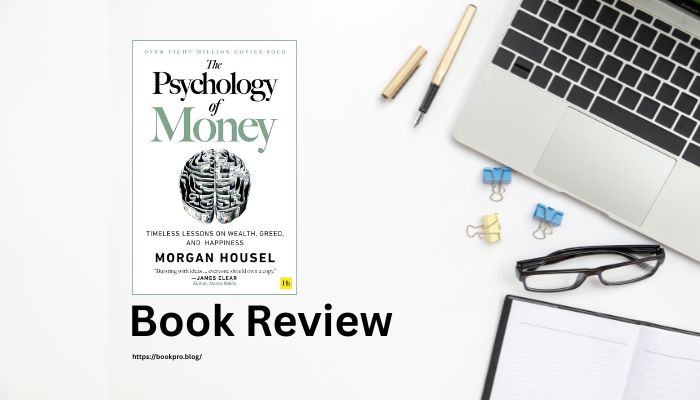
When people think about building wealth, they often focus on investment strategies, stock market performance, or financial planning. However, The Psychology of Money by Morgan Housel takes a different approach. Instead of teaching readers how to pick winning stocks or time the market, it explores the behaviors, emotions, and decisions that shape our financial lives.
Since its publication in 2020, The Psychology of Money has become one of the most influential personal finance books worldwide. Its practical advice and relatable storytelling have made it a favorite among beginners, experienced investors, entrepreneurs, and anyone interested in improving their relationship with money. If you’re wondering whether this bestselling book lives up to its reputation, here’s everything you need to know before adding it to your reading list.
Book Overview
- Book Title: The Psychology of Money
- Author: Morgan Housel
- Genre: Personal Finance, Investing, Self-Help
- Published: 2020
- Pages: Approximately 256
- Reading Time: Around 6–7 hours
- Best For: Investors, entrepreneurs, students, professionals, and anyone looking to build healthier financial habits.
About the Author
Morgan Housel is an award-winning financial writer and investor known for making complex financial concepts easy to understand. He has written extensively about investing, wealth, decision-making, and behavioral finance for leading financial publications.
Rather than focusing solely on numbers and technical analysis, Housel emphasizes the human side of money—why intelligent people sometimes make poor financial decisions and how better habits can lead to long-term financial success.
What Is the Book About?
The Psychology of Money explores the idea that financial success is determined less by intelligence and more by behavior. Through a collection of engaging essays and real-life examples, Morgan Housel explains how emotions, personal experiences, patience, and decision-making influence the way people earn, save, spend, and invest money.
Instead of offering a rigid investment strategy, the book encourages readers to develop healthy financial habits that can stand the test of time. It explains why long-term thinking, consistency, and emotional discipline often matter more than chasing quick profits or trying to predict the market.
The book also challenges many common beliefs about wealth, showing that financial freedom is often achieved through smart behavior rather than exceptionally high income.
Key Lessons from the Book
One of the reasons The Psychology of Money has become so popular is because its lessons apply to almost everyone, regardless of income level or investment experience.
Some of its most valuable insights include:
- Financial success depends more on behavior than technical knowledge.
- Saving money consistently is often more important than earning a high salary.
- Patience and long-term investing can produce remarkable results through compounding.
- Avoiding unnecessary financial risks is just as important as seeking high returns.
- Wealth is often invisible, while spending is highly visible.
- Personal financial decisions should align with individual goals rather than social expectations.
These lessons are presented through memorable stories that make the ideas easy to understand and remember.
Writing Style and Readability
Morgan Housel writes in a conversational, engaging style that appeals to readers with varying levels of financial knowledge. Instead of filling the book with complicated formulas or technical jargon, he uses real-world stories and historical examples to illustrate important concepts.
The short chapters make the book easy to read in small sessions, and each chapter focuses on a specific lesson that can be understood independently. This structure allows readers to revisit key ideas whenever they need a reminder.
What Makes This Book Stand Out?
Unlike many investing books that focus on market analysis or stock selection, The Psychology of Money concentrates on the habits and mindset behind financial success.
Its biggest strength is showing readers that managing emotions, expectations, and behavior is often more valuable than trying to outperform the market. The advice remains relevant regardless of economic conditions because it focuses on timeless principles rather than short-term trends. Another standout feature is the book’s ability to explain financial concepts in plain language, making it accessible even to readers with little investing experience.
Pros and Cons
Pros
- Easy to understand for beginners.
- Engaging storytelling with practical financial lessons.
- Focuses on timeless investing principles.
- Encourages long-term thinking and disciplined decision-making.
- Suitable for readers of all financial backgrounds.
- Provides memorable real-life examples.
Cons
- Not a step-by-step investing guide.
- Some lessons overlap across different chapters.
- Readers seeking advanced investment strategies may want additional resources.
Who Should Read This Book?
This book is highly recommended for:
- Beginner investors.
- Young professionals managing their finances.
- Entrepreneurs and business owners.
- Students interested in financial literacy.
- Anyone wanting to build better money habits.
- Readers looking for practical personal finance advice.
Experienced investors may already know some of the concepts, but the behavioral insights remain valuable regardless of experience level.
Final Verdict
The Psychology of Money is much more than a book about investing—it is a book about understanding human behavior. Morgan Housel successfully explains why financial success depends not only on knowledge but also on patience, discipline, and emotional control.
Its simple language, relatable examples, and timeless advice make it one of the most accessible personal finance books available today. Instead of promising quick wealth, the book encourages readers to develop habits that lead to lasting financial security.
Whether you’re just beginning your financial journey or looking to improve your long-term investment mindset, The Psychology of Money offers valuable insights that remain relevant throughout life.
If you plan to read only one personal finance book this year, this is an excellent choice.
Overall Rating: 4.9/5 ⭐

Where to Buy
If The Psychology of Money sounds like the right book for you, it’s available through major online bookstores and local book retailers. If you purchase through one of our affiliate links, TechGuy.top may earn a small commission at no additional cost to you. Your support helps us continue creating honest reviews and helpful reading recommendations.
Frequently Asked Questions
Is The Psychology of Money worth reading?
Yes. It is one of the best personal finance books for understanding how behavior and mindset influence financial success.
Is this book suitable for beginners?
Absolutely. The author explains financial concepts in clear, simple language without requiring prior investing knowledge.
What is the main lesson of The Psychology of Money?
The book teaches that managing your behavior, emotions, and long-term decisions is often more important than mastering complex investment strategies.
Does the book teach stock market investing?
Not directly. While investing is discussed, the primary focus is on financial behavior, saving, patience, and decision-making rather than stock-picking techniques.
Should you buy The Psychology of Money?
If you’re interested in improving your financial habits, understanding wealth-building principles, or becoming a more disciplined investor, The Psychology of Money is a worthwhile addition to your bookshelf. Its timeless lessons make it valuable for readers at every stage of their financial journey.
Amazon Affiliate Disclosure
Bookpro.blog participates in the Amazon Services LLC Associates Program, an affiliate advertising program created to help websites earn advertising commissions by promoting and linking to Amazon.com and its affiliated marketplaces.