
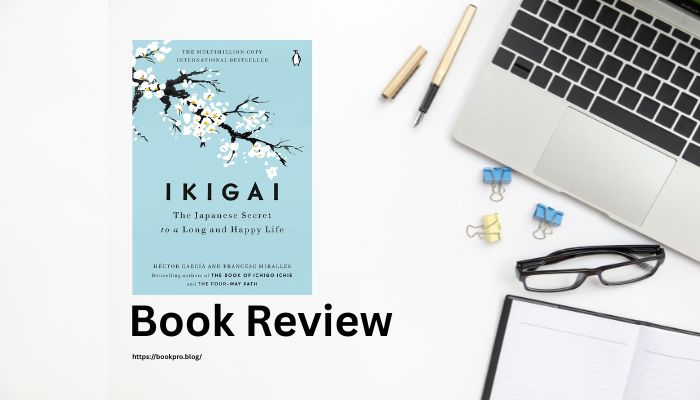
In today’s fast-paced world, many people find themselves searching for greater meaning, balance, and happiness. Ikigai: The Japanese Secret to a Long and Happy Life by Francesc Miralles and Héctor García explores a timeless Japanese philosophy that encourages readers to discover purpose through everyday living rather than chasing constant success.
Since its publication, the book has become an international bestseller, praised for its simple yet thought-provoking approach to personal growth and well-being. Instead of offering quick fixes or motivational slogans, it presents practical ideas inspired by Japanese culture and the lifestyles of some of the world’s longest-living people.
If you’re wondering whether this book deserves a place on your bookshelf, this review covers everything you need to know before making your decision.
Book Overview
- Book Title: Ikigai: The Japanese Secret to a Long and Happy Life
- Authors: Francesc Miralles & Héctor García
- Genre: Self-Help, Personal Development
- Published: 2016
- Pages: Approximately 208
- Reading Time: Around 5–6 hours
- Best For: Readers interested in happiness, mindfulness, healthy living, and finding purpose.
About the Authors
Francesc Miralles is a Spanish author and journalist known for writing about psychology, personal growth, and emotional well-being. Héctor García is a writer who has spent many years living in Japan, where he developed a deep appreciation for Japanese culture and philosophy.
Together, they combine interviews, research, and cultural insights to explain how the concept of ikigai can help people lead happier and more meaningful lives.
What Is the Book About?
At its core, Ikigai explores the idea that everyone has a unique reason for getting up each morning. Rather than presenting a rigid formula for success, the book encourages readers to discover what brings joy, satisfaction, and purpose to their lives.
The authors draw inspiration from Okinawa, Japan, a region famous for its remarkable number of centenarians. Through conversations with local residents and discussions of lifestyle habits, they explore the factors that contribute to long, healthy, and fulfilling lives.
The book touches on topics such as maintaining an active lifestyle, eating balanced meals, nurturing meaningful friendships, managing stress, embracing lifelong learning, and staying connected to work or hobbies that provide a sense of fulfillment.
Without revealing unnecessary details or repeating the same concepts excessively, the book gently encourages readers to slow down and appreciate the value of everyday moments.
Key Lessons from the Book
One reason Ikigai has resonated with millions of readers is its practical wisdom. Some of its most valuable lessons include:
- Purpose is built through daily actions rather than discovered overnight.
- Small, consistent habits often have a greater impact than dramatic life changes.
- Physical activity and mental engagement contribute to long-term health.
- Strong social relationships improve happiness and emotional resilience.
- Continuous learning keeps life meaningful regardless of age.
- Living with balance is often more rewarding than constantly chasing achievement.
These ideas are presented in an approachable way, making them easy to understand and apply to everyday life.
Writing Style and Readability
The writing style is calm, conversational, and highly accessible. The authors avoid technical jargon and instead explain concepts through stories, examples, and simple observations.
The chapters are relatively short, making the book easy to read in small sessions. Whether you’re an experienced reader of self-help books or completely new to the genre, the content remains engaging without becoming overwhelming.
While the book occasionally references scientific research, it focuses more on practical lifestyle advice than academic analysis.
What Makes This Book Stand Out?
Unlike many modern self-help books that focus primarily on career success or financial achievement, Ikigai takes a broader view of happiness.
It emphasizes that a meaningful life is created through healthy habits, strong relationships, curiosity, and enjoying everyday experiences. This balanced perspective makes the book feel refreshing rather than overly motivational.
The cultural insights into Japanese traditions also add depth, helping readers understand why the philosophy has remained relevant for generations.
Pros and Cons
Pros
- Easy to read and beginner-friendly.
- Encourages healthy and sustainable lifestyle habits.
- Offers meaningful insights without overwhelming the reader.
- Inspiring examples drawn from Japanese culture.
- Suitable for readers of all ages.
Cons
- Some concepts become repetitive.
- Readers looking for a detailed step-by-step system may find it less practical.
- Scientific evidence is discussed but not explored in great depth.
Who Should Read This Book?
This book is an excellent choice for:
- Anyone searching for more purpose in life.
- Readers interested in mindfulness and personal development.
- Professionals seeking better work-life balance.
- People looking to build healthier daily habits.
- Beginners exploring self-improvement books for the first time.
However, readers expecting an advanced psychology textbook or an intensive productivity guide may find the content relatively gentle.
Final Verdict
Ikigai: The Japanese Secret to a Long and Happy Life is a thoughtful and inspiring read that reminds us happiness is often found in simple, consistent actions rather than dramatic life changes. Its message is easy to understand, its advice is practical, and its philosophy encourages readers to focus on living intentionally instead of constantly chasing external success.
While some ideas may feel familiar to seasoned readers of personal development books, the authors present them with warmth and clarity, making the experience enjoyable from beginning to end.
If you’re looking for a book that encourages a healthier mindset, stronger relationships, and a deeper sense of purpose, Ikigai is well worth reading. It’s not a guide that promises instant transformation, but it offers timeless ideas that can inspire meaningful changes over time.
Overall Rating: 4.7/5 ⭐

Frequently Asked Questions
Is Ikigai worth reading?
Yes. It provides practical insights into living a happier and more meaningful life through simple daily habits and a purpose-driven mindset.
Is this book suitable for beginners?
Absolutely. The language is straightforward, and the concepts are explained clearly, making it ideal for readers new to personal development.
Does Ikigai offer practical advice?
Yes. The book includes actionable ideas related to health, mindfulness, relationships, lifelong learning, and finding balance in everyday life.
Is Ikigai based on real research?
The authors combine interviews, cultural observations, and references to scientific studies. However, the book is written for general readers rather than as an academic publication.
Should you buy Ikigai?
If you’re interested in personal growth, mindfulness, or discovering greater purpose in your daily life, Ikigai is a worthwhile addition to your reading list. Its timeless message and practical advice make it a valuable read for people of all ages.
Amazon Affiliate Disclosure
Bookpro.blog participates in the Amazon Services LLC Associates Program, an affiliate advertising program created to help websites earn advertising commissions by promoting and linking to Amazon.com and its affiliated marketplaces.